
How Weather Conditions Affect Liability in Car Accidents
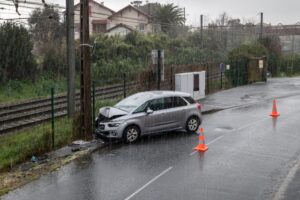 Rain on I-76, black ice on a neighborhood road, fog in the Lehigh Valley, or sudden snow in New Jersey can turn a normal drive into a serious crash risk. Weather can explain why a collision happened, but it does not automatically remove liability. Drivers must still respond safely to the conditions around them. The Sharma Law Office represents injured people in Philadelphia, Pennsylvania, and nearby communities when careless driving causes harm.
Liability in a weather-related crash usually turns on one question. Did the driver act reasonably under the conditions at that moment? A person who drives too fast for wet pavement, follows too closely in fog, or fails to clear snow from a windshield may still be responsible for the injuries that follow.
Weather Becomes Part of the Fault Analysis
Weather is not treated like a separate shield from responsibility. It is part of the factual setting used to judge each driver’s conduct. A speed that seems lawful on a dry afternoon may be unsafe during freezing rain. A safe following distance in clear traffic may be too close when roads are slick.
Pennsylvania and New Jersey both use modified comparative negligence rules. In general, an injured person’s compensation may be reduced by that person’s share of fault, and recovery may be limited or barred if that person is more at fault than the other party or parties.
If bad weather is being used to excuse unsafe driving, schedule a consultation today so our firm can review the crash facts, insurance issues, and evidence before the claim becomes harder to prove.
The Road Condition Does Not Tell the Whole Story
Insurance companies often focus on the storm, ice, or low visibility because those facts can make a crash sound unavoidable. That framing leaves out the choices made behind the wheel. A driver may have known the road was wet and still accelerated into traffic. Another may have followed too closely on a hill or changed lanes without enough space.
If an insurer is blaming the weather instead of the driver, our car accident lawyer can review the crash report, photos, witness accounts, vehicle damage, and weather data to identify whether unsafe driving played a role. Collision claims often involve medical bills, insurance disputes, and legal deadlines, so early review matters.
Risky Driving Choices Matter More in Poor Conditions
Bad weather gives drivers more reason to slow down, use headlights, avoid sudden movements, and leave extra room. Liability may arise when a driver ignores obvious danger. Common examples include speeding in heavy rain, driving with worn tires, failing to use wipers or headlights, making abrupt lane changes, braking too late, or operating a vehicle with snow blocking the windows.
A driver also may be responsible for failing to maintain control. Loss of traction can happen quickly, but that does not always mean the crash was unavoidable. Our car accident attorney can examine whether the driver adjusted speed, spacing, and attention before impact.
Evidence Should Be Collected Before Conditions Change
Weather-related evidence can disappear within minutes. Rain dries, snow melts, plows clear the road, and damaged vehicles may be moved before photos are taken. That makes early documentation important after any collision involving poor conditions.
Useful evidence may include photos of the roadway, dashcam video, nearby business footage, weather reports, traffic camera images, police notes, repair invoices, medical records, and witness names. The practice areas listed by our firm include vehicular accidents, serious injuries, and other personal injury claims. Our personal injury lawyer can organize these records before an insurer reduces the claim to “bad weather.”
Shared Fault Can Change the Value of the Claim
Poor weather can create fault disputes involving more than one driver. One person may have been speeding, while another stopped suddenly without a clear reason. In pileups or intersection crashes, each insurer may try to place responsibility somewhere else.
Fault allocation can affect compensation, so injured people should avoid guessing or apologizing at the scene. They should report what happened, get medical care, save insurance messages, and keep crash-related receipts. The About Us page describes Attorney Deepak Sharma’s work for people harmed by another party’s fault, and our accident attorney can assess how disputed liability may affect the claim.
A Careful Review Can Make the Difference
Weather-related crashes can leave injured people feeling like no one is responsible. That is not always true. The real issue is whether the other driver respected the road conditions or made choices that created an unreasonable risk. The Sharma Law Office can review the evidence, address insurance arguments, and pursue compensation for medical expenses, lost income, pain, and other losses tied to the collision. Contact us today to discuss your case and the facts that may support your claim.